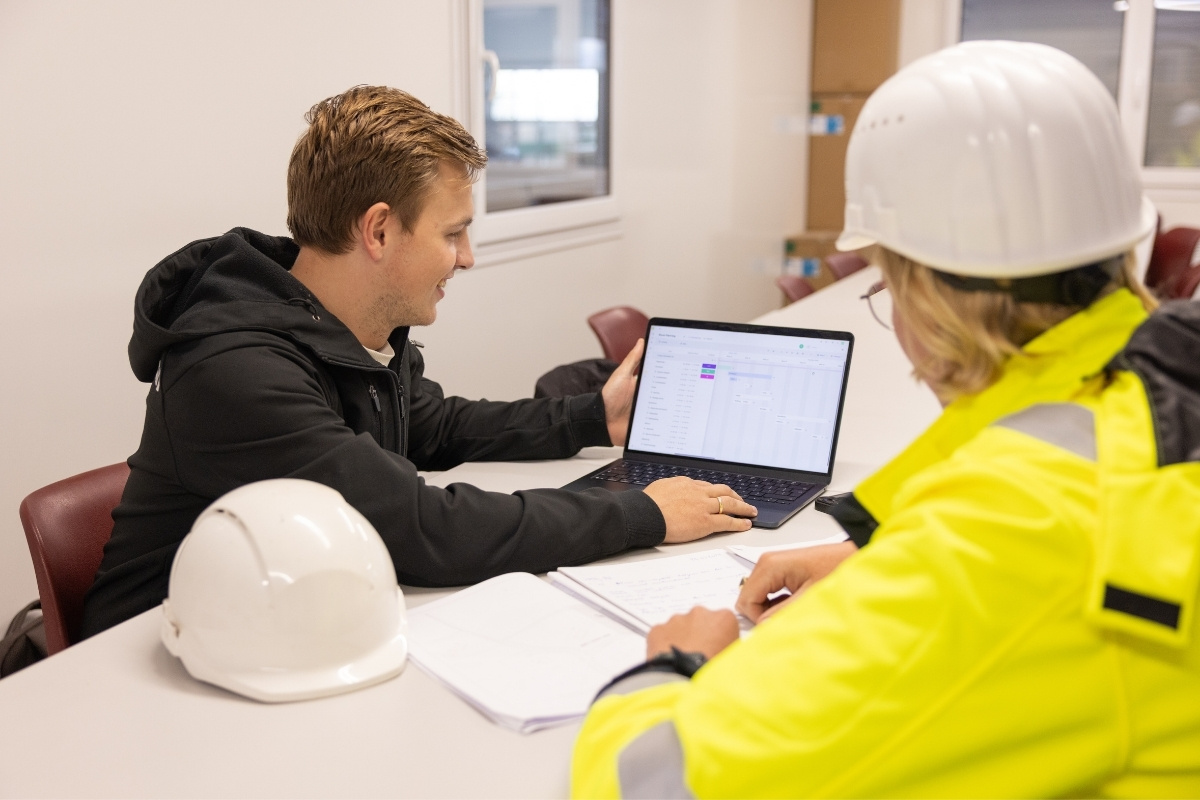
The value of accurate record-keeping
Data recording is the process of capturing essential information generated by your business, such as time spent, costs, revenue, customer interactions, and project progress. This data forms the foundation for a wide range of business activities, from daily operational decisions to strategic long-term planning.
Key reasons why data recording is valuable
1. Insight into performance and efficiency
Accurate data recording provides insight into how well your processes are functioning. For example, by tracking time, you can see how much time is spent on various tasks and projects. This helps identify inefficiencies and highlights opportunities for improvement.
2. Enhanced decision making
Well-recorded data offers a solid foundation for decision-making. Instead of relying on gut feelings or assumptions, you can make informed decisions based on concrete data. Whether it's resource allocation, adjusting strategy, or evaluating performance, data helps you minimize risks and maximize opportunities.
3. Improved project planning and estimation
Pre- and post-calculations are essential for improving future project estimates. By comparing projected costs and time with actual figures, you can more accurately estimate the resources needed for similar projects in the future. This leads to better budgeting and meeting deadlines.
4. Compliance and reporting
In many industries, accurate data recording is not only desirable but legally required. Keeping records helps you comply with regulations, such as tax obligations and labor laws. Additionally, it simplifies reporting to stakeholders, such as investors or regulatory bodies.
The impact of data recording on business success
Maintaining records has a direct and measurable impact on your company’s success. Here are some ways data recording can strengthen your organization:
1. Increased operational efficiency
Accurately recording processes and time spent provides a clear picture of how your organization operates. This insight allows you to streamline processes, reduce waste, and boost productivity. For example, by understanding how long certain tasks take, you can decide to automate or restructure them to save time.
2. Improved customer satisfaction
By tracking customer interactions and feedback, you can better meet customer needs and expectations. This can range from enhancing customer service to personalizing marketing campaigns. By effectively using customer data, you can improve satisfaction and build loyalty.
3. Cost control and profitability
Accurate recording of costs and expenses helps you manage budgets better and identify cost-saving opportunities. For instance, by closely tracking project costs, you can see where budgets are being exceeded and where you can cut back without compromising quality. This leads directly to increased profitability.
4. Strategic growth and scalability
Companies that manage their data well are better positioned to identify and leverage strategic growth opportunities. Whether it’s entering new markets, launching new products, or scaling existing operations, data helps you make informed decisions that move your business forward. By analyzing trends and patterns, you can drive growth in a way that is both sustainable and manageable.
Best practices for data recording
To maximize the value of data recording, it’s important to use the right approach and tools. Here are some best practices:
1. Use the right tools and software
Invest in reliable software solutions designed to effectively record and manage data. This can range from time-tracking software and project management tools to CRM systems and accounting software. Ensure you select tools that meet the specific needs of your business.
2. Ensure consistent and accurate input
The success of data recording depends on the consistency and accuracy of the data entered. Train your team to enter data regularly and correctly, and implement checks to minimize errors.
3. Make use of dashboards and reports
Visualize your data through dashboards and reports for easy access to key insights. This helps you spot trends, monitor performance, and make quick decisions.
4. Continuously evaluate and improve
Data recording is an ongoing process. Regularly evaluate your methods and systems to ensure they remain effective, and look for ways to improve. This may include implementing new tools, adjusting your processes, or upskilling your team.
Data recording as the foundation for business success
Data recording isn’t an optional extra—it’s a fundamental part of business success. Accurate records provide the insights needed to make better decisions, optimize processes, and strategically grow your company. By investing in sound data-recording practices and applying them consistently, you lay a solid foundation for continuous improvement and long-term success. Start optimizing your data recording today and discover how it can elevate your business to new heights.

Work at vPlan
We are looking for new colleagues.