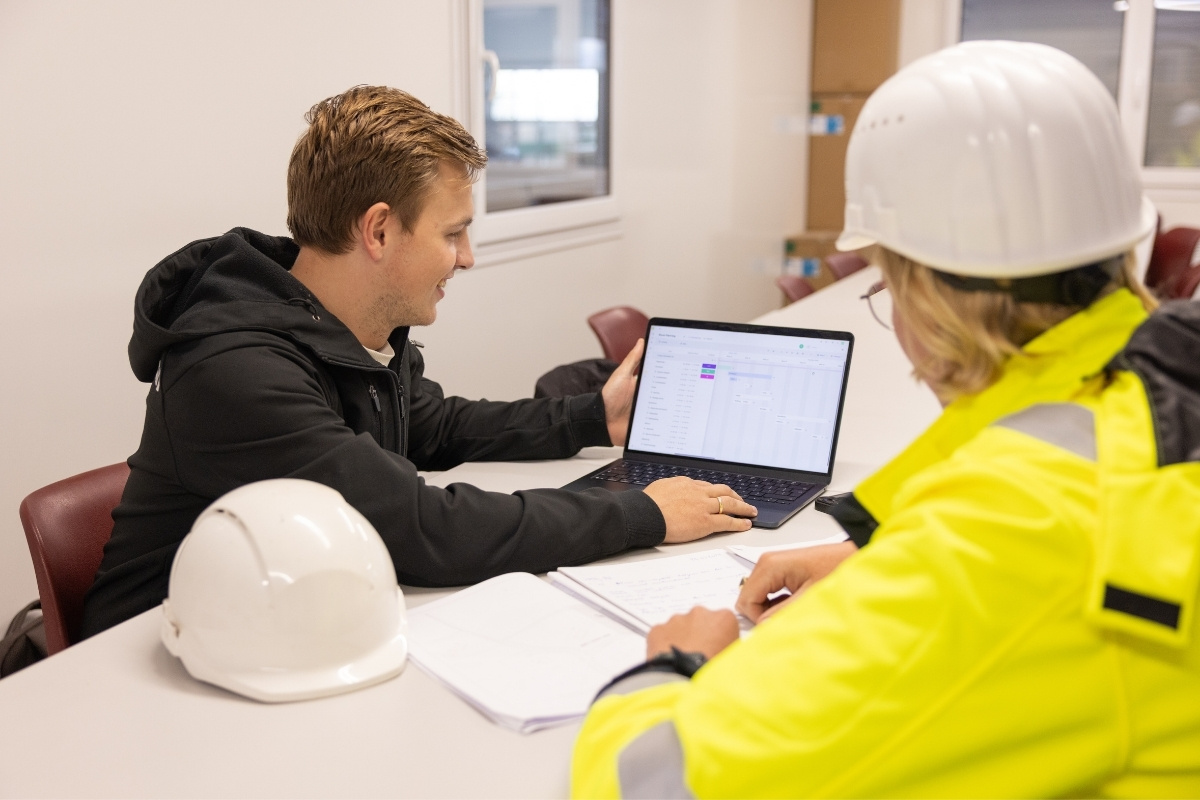
The Power of Collaboration in Project Delivery
Projects are rarely the work of a single person; they require the collective effort of various team members with diverse skills and expertise. When these individuals collaborate effectively, they can solve challenges more quickly, find more creative solutions, and work more efficiently. Collaboration is therefore not just a nice-to-have; it is sometimes essential for successfully delivering a project.
How collaboration contributes to success:
Shared Responsibility
Collaboration fosters a sense of shared responsibility. Team members feel more invested in the project and are fully committed to achieving the goals.
Diversity of Ideas
Teams with diverse backgrounds and perspectives often generate more creative and innovative solutions, which can make a significant difference in project outcomes.
Faster Problem-Solving
By working together, feedback can be given more quickly, and problems can be identified and resolved early, preventing delays.
More Efficient Use of Resources
A well-coordinated team optimally utilizes available resources, leading to better management of time and budget.
Strategies for promoting effective collaboration
To strengthen collaboration and achieve great results, it is essential to implement the right strategies and tools. Here are some key steps you can take:
1. Clear Roles and Responsibilities
One of the main obstacles to effective collaboration is a lack of clarity about who is responsible for what. This can lead to misunderstandings, duplicated efforts, or the omission of crucial tasks.
How to Do This:
- Role Clarity: Ensure that each team member has a clear role and responsibilities within the project. This can be documented in a project plan or role description.
- Use of Tools: With tools like vPlan, you can easily assign roles, visualize tasks, and track the progress of responsibilities in real-time.
2. Regular communication
Effective collaboration requires continuous and transparent communication. Without it, team members may feel isolated, which can negatively impact collaboration and project outcomes.
How to do this:
- Daily Stand-Ups: Organize short, daily meetings where team members share their progress, discuss issues, and align on planning. This helps keep everyone on the same page.
- Communication Tools: Use tools to facilitate communication, especially for remote teams. Ensure that all team members have access to the same information and communication resources.
3. Access to shared information resources
Collaboration is enhanced when team members can easily access the information and resources they need to do their work. This includes everything from project documents and plans to schedules and progress reports.
How to Do This:
- Cloud Storage: Utilize cloud-based storage services like Google Drive or SharePoint to keep all project documents in one central location. This ensures that every team member has access to the latest information, regardless of their location.
- Software: Implement a project management tool that allows shared access to schedules, tasks, and documents. This helps coordinate work and prevents team members from working in silos.
4. Feedback and Openness
A culture that encourages open communication and feedback is crucial for effective collaboration. This allows team members to share ideas, suggest improvements, and learn from one another.
How to do this:
- Feedback Rounds: Organize periodic feedback sessions where team members can give and receive comments. This contributes to improving collaboration and resolving issues.
- Transparency: Foster an open culture where team members feel free to share their opinions and express any concerns. This builds trust and promotes a more equitable work environment.
5. Celebrating Successes
Celebrating successes is a powerful way to strengthen collaboration and maintain high motivation. When team members feel valued, team spirit grows, and commitment increases.
How to Do This:
- Recognition: Do not let your team members' efforts go unnoticed. Give compliments, rewards, or public recognition during team meetings to show appreciation.
- Team Celebrations: Organize social activities or celebrations after achieving significant milestones or successfully completing a project. This fosters camaraderie and builds a positive team culture.
The connection between collaboration and the Deliver phase
In the Deliver phase of the Powerhouse Model, the focus is on delivering the final results. This is the moment when everything comes together. Good collaboration is essential in this phase. Without collaboration, mistakes can occur, deadlines can be missed, and quality can suffer. By applying smart strategies and utilizing tools like vPlan, you ensure that your team works well together, allowing you to deliver projects successfully and on time.
Conclusion
Effective collaboration is essential for successful project delivery. By implementing clear roles, regular communication, shared information, feedback, openness, and celebrating successes, you enhance team coordination.
In the Deliver phase of the Powerhouse Model, collaboration plays a vital role in achieving project goals. Well-functioning teams overcome challenges more easily, find more creative solutions, and deliver successful projects.
Start applying these strategies today and experience how improved collaboration leads to better results and successful project delivery.

Work at vPlan
We are looking for new colleagues.