How is beer made?
With just 4 ingredients and a few steps, you can produce a deliciously refreshing beer. Each step in the process is unique, and by using different combinations and additional flavor enhancers, brewers have the opportunity to brew a unique product. Below is an explanation of the brewing process in a few steps:
Step 1: Malting
The first ingredient, grain (often barley), cannot be used directly. To make it suitable for brewing, it is first malted. In this process, barley is soaked in water and allowed to germinate in warm chambers, resulting in the growth of a rootlet from the barley. This releases enzymes (a type of protein) that can convert the starch present in the grain into sugars. After germination, the grain is dried at high temperatures to stop the germination process. Some barley grains are roasted or toasted, imparting a dark color and a roasted flavor. The choice of malt determines the taste, aroma, and color of the beer.
Step 2: Milling
This involves coarse grinding or crushing of the dried malt using specialized roller mills. Grinding the malt allows the starch present in it to dissolve. This process facilitates better absorption of starch in water during the next step, which is mashing. It's important to ensure that the husk remains intact during milling. The husk contains tannins, which can impart a bitter taste to the beer.
Step 3: Mashing
The crushed malt is now mixed with warm water, creating a "mash," where the starch present in the malt is broken down into sugars, which will later ferment into alcohol. The mashing process occurs in various stages with different temperatures. Brewers use a mash schedule, which specifies the duration and temperatures for heating the water. Ultimately, the time and temperature will determine the flavor profile of the beer.
Step 4: Clarification
Once all the starch has been converted into sugars, the mixture is filtered. This process is similar to straining a broth. The clear, sweet liquid that remains is called "wort," which forms the basis of the beer. The sediment is called "spent grains" or "brewers' spent grain." The spent grains are further rinsed with water to ensure all the sugars are present in the wort. The remaining spent grains can be repurposed for making bread or used as animal feed.
Step 5: Boiling
Wort forms the basis of beer. The wort is brought to a boil for 60 to 90 minutes in a brew kettle, along with hops and any other flavorings (such as orange peels, cinnamon, coriander, etc.) that will impart the beer with its distinctive taste. Boiling the wort sterilizes it and causes proteins to coagulate and precipitate out.
Step 6: Cooling
After boiling, it's crucial to rapidly cool the beer for fermentation. The cooling temperature determines whether the fermentation will be long or short. At a low temperature (around 5°C), fermentation takes longer, resulting in bottom-fermented beer (also known as lager beer). Lager beers, such as pilsner, are a product of this process. If the beer isn't cooled further than room temperature, fermentation occurs more quickly, producing top-fermented beer.
Step 7: Fermentation
Once the wort has cooled sufficiently, yeast is added. The fermentable sugars in the wort are converted into alcohol, carbon dioxide, and flavor compounds. This process is called primary fermentation. At this point, the liquid is officially beer. Beer that undergoes fermentation only once is called young beer. This product has little flavor and no carbonation. Therefore, it needs to undergo fermentation again.
Step 8: Lagering
The second fermentation is called lagering. This process takes place in closed vessels (lager tanks) to prevent the carbon dioxide from escaping, making the beer effervescent and bubbly. Although most brewers nowadays use large metal tanks, traditional oak barrels are also used. These barrels impart flavor to the beer and define its character.
Step 9: Bottling
Beer is carefully packaged in bottles, cans, and/or kegs. These packaging materials are first filled with CO2 to prevent oxidation of the beer. Additionally, it's important to prevent UV light exposure, which is why beer bottles are often brown or beer is packaged in cans. Optionally, there may be a secondary fermentation in the bottle, which can take weeks to months.
More about the brewing process? Check out this documentary by BBC.
How vPlan helps you with the brewing process
What needs to be brewed must also be planned. In vPlan, you can set up the brewing process with phases. This way, you gain insight into which phase your brew is in.
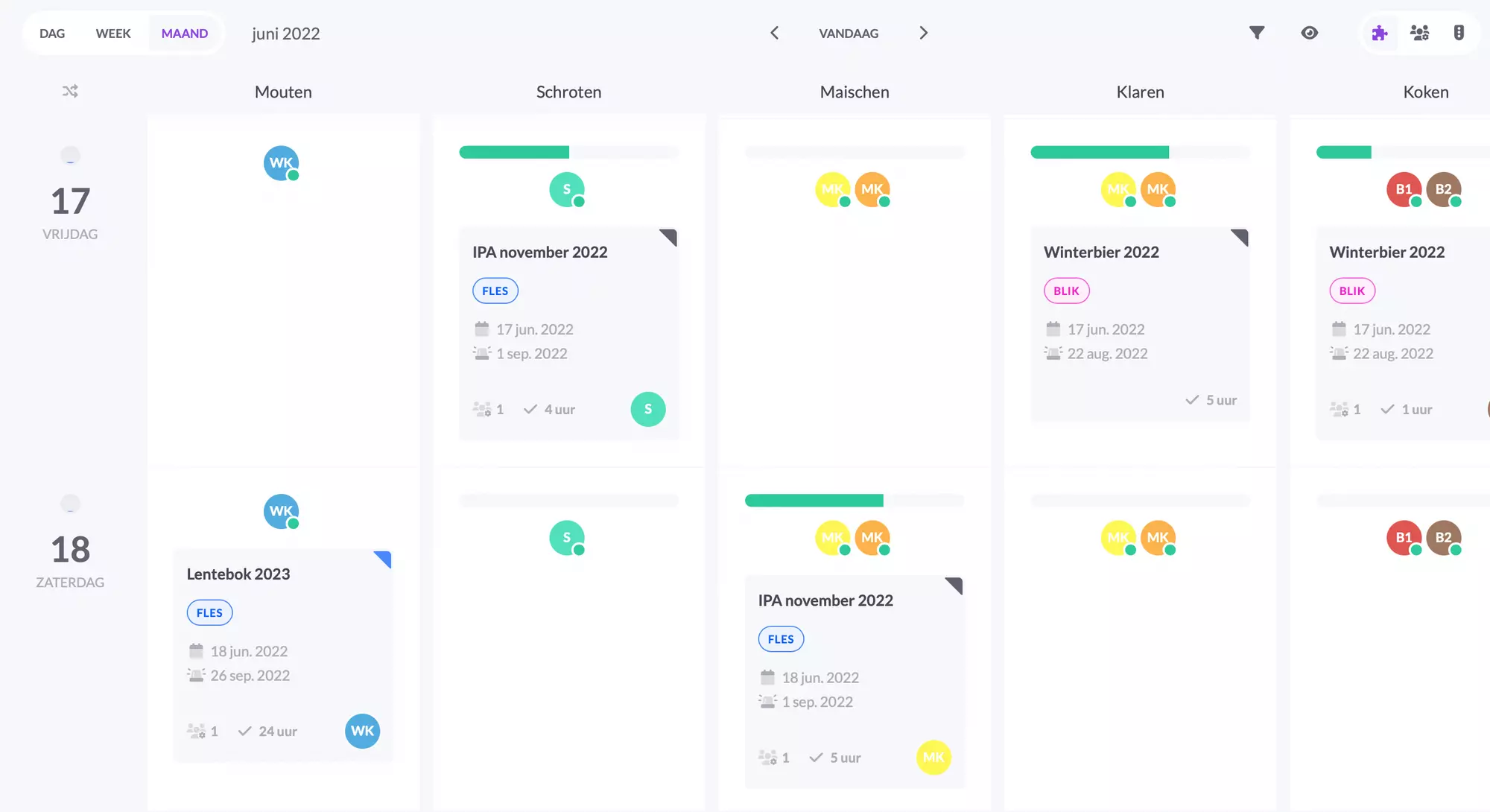
Link your available capacity to your orders. Your capacity, from employees to machines, is referred to as resources in vPlan. Link resources to a phase, such as tanks in the lagering phase.
Easily plan new brews in vPlan and know exactly which beer is in which status..
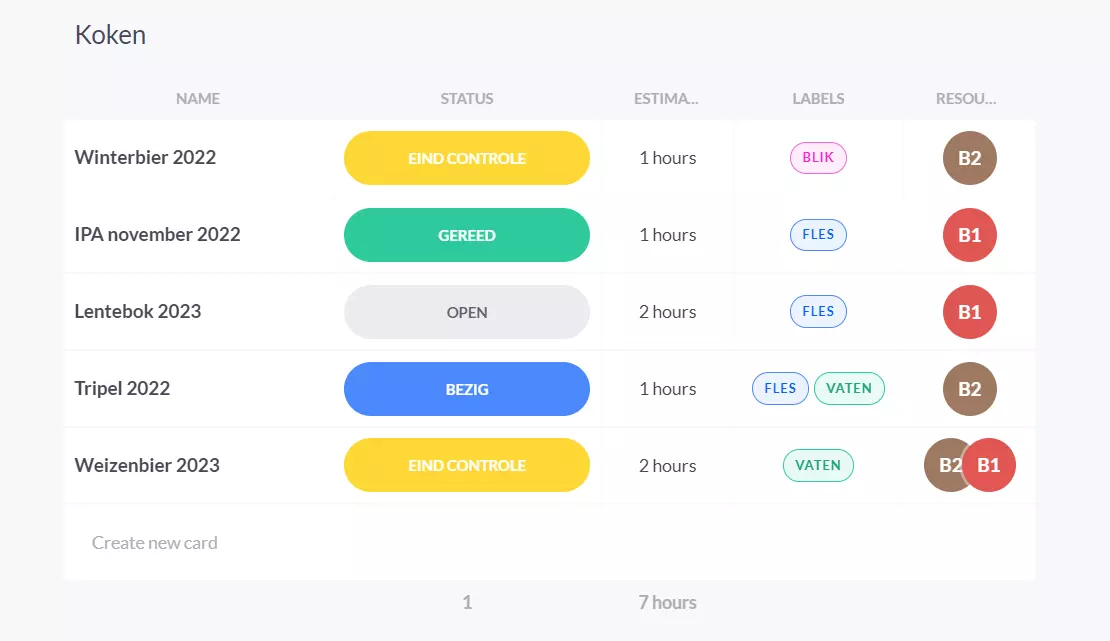
Capture all important data, such as batch numbers, ingredients, and quality controls.
"The result is that we now plan more efficiently."
"We use vPlan to schedule our 14 fermentation tanks as efficiently as possible. Every day a tank can be emptied and refilled faster, means significant differences at the end of the year," says Kasper Hiddema of Baxbier.
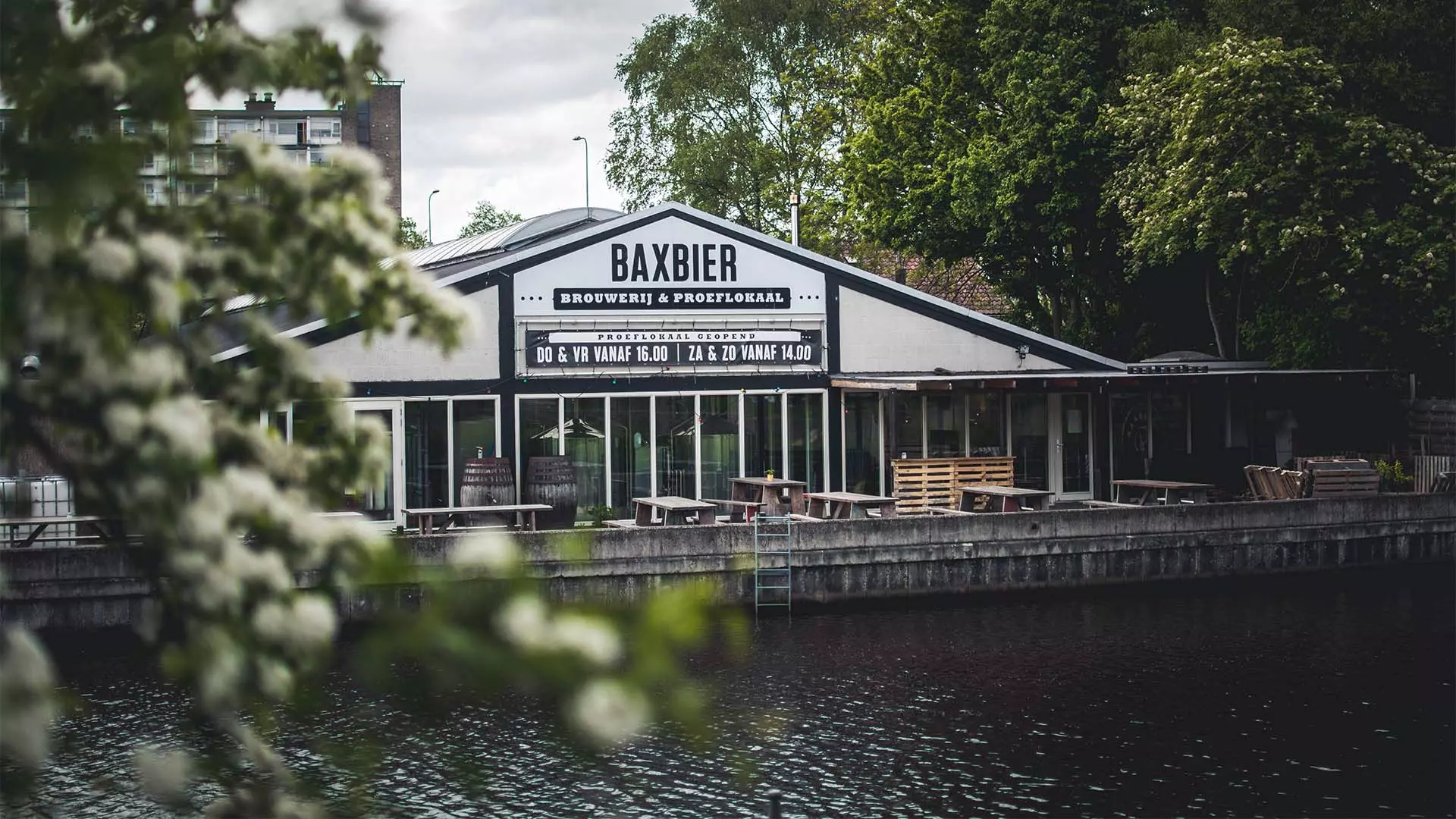
Curious about all the benefits that Baxbier achieves with vPlan? Read on quickly!
Curious about what vPlan can do for your brewery? Try vPlan now for 14 days for free with our demo and discover all the possibilities that vPlan has to offer you!

Work at vPlan
We are looking for new colleagues.